

Quick Links
Sustainable Packaging: What Should Brands Consider Before Switching to Paper Packaging?
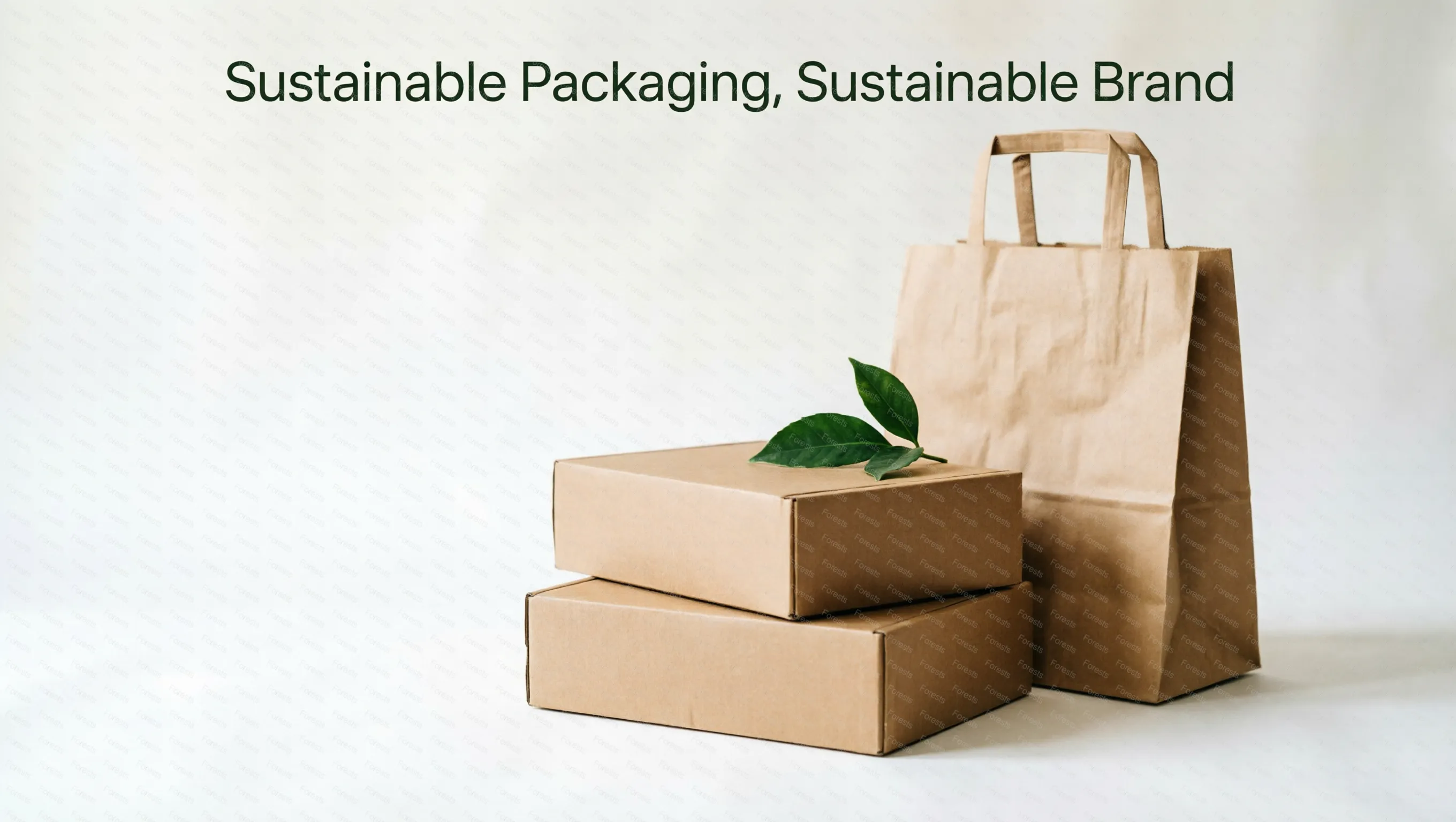
Sustainable packaging is no longer just a marketing trend. For many global brands, packaging sustainability has become an important part of product development, procurement, and brand strategy. But switching to paper packaging is not as simple as replacing plastic with paper. The real question is: How can brands design packaging that is both sustainable and functional?
1. Start With the Product Packaging should protect the product first. A sustainable package that results in damaged products, returns, or excessive waste is not necessarily a better solution. The packaging structure should consider: • Product weight • Fragility • Transportation distance • Storage conditions • E-commerce requirements • Retail environment
2. Choose the Right Paper Material Different applications require different paper structures. For example: Corrugated Board Suitable for shipping, e-commerce, and transportation packaging. Folding Carton Suitable for cosmetics, food, electronics, and retail products. Rigid Board Suitable for premium gift boxes, luxury packaging, and high-end products. Kraft Paper Often used when brands want a natural and sustainable visual identity.
3. Reduce Unnecessary Packaging Sustainable packaging is also about using less. Right-sized packaging can help reduce: • Material consumption • Empty space • Shipping volume • Storage requirements • Transportation costs Packaging optimization can therefore create both environmental and commercial benefits.
4. Consider the End of Life When developing sustainable packaging, brands should also consider what happens after the product is used. Design choices should take recyclability and material separation into account.
5. Sustainability Needs Manufacturing Support A good packaging concept needs to be commercially manufacturable. This means the supplier should understand: Material → Structure → Printing → Finishing → Production → Quality Control At Forests Packaging Group, we develop customized paper packaging solutions for international brands, including corrugated boxes, folding cartons, rigid boxes, paper bags, paper tubes, and other paper-based packaging. Our goal is not simply to make packaging look sustainable. We help brands create packaging solutions that balance sustainability, protection, functionality, and brand presentation.
Previous: No more data
Home
Design Your Packaging
Packaging Product
About Us
Contact Us


Message